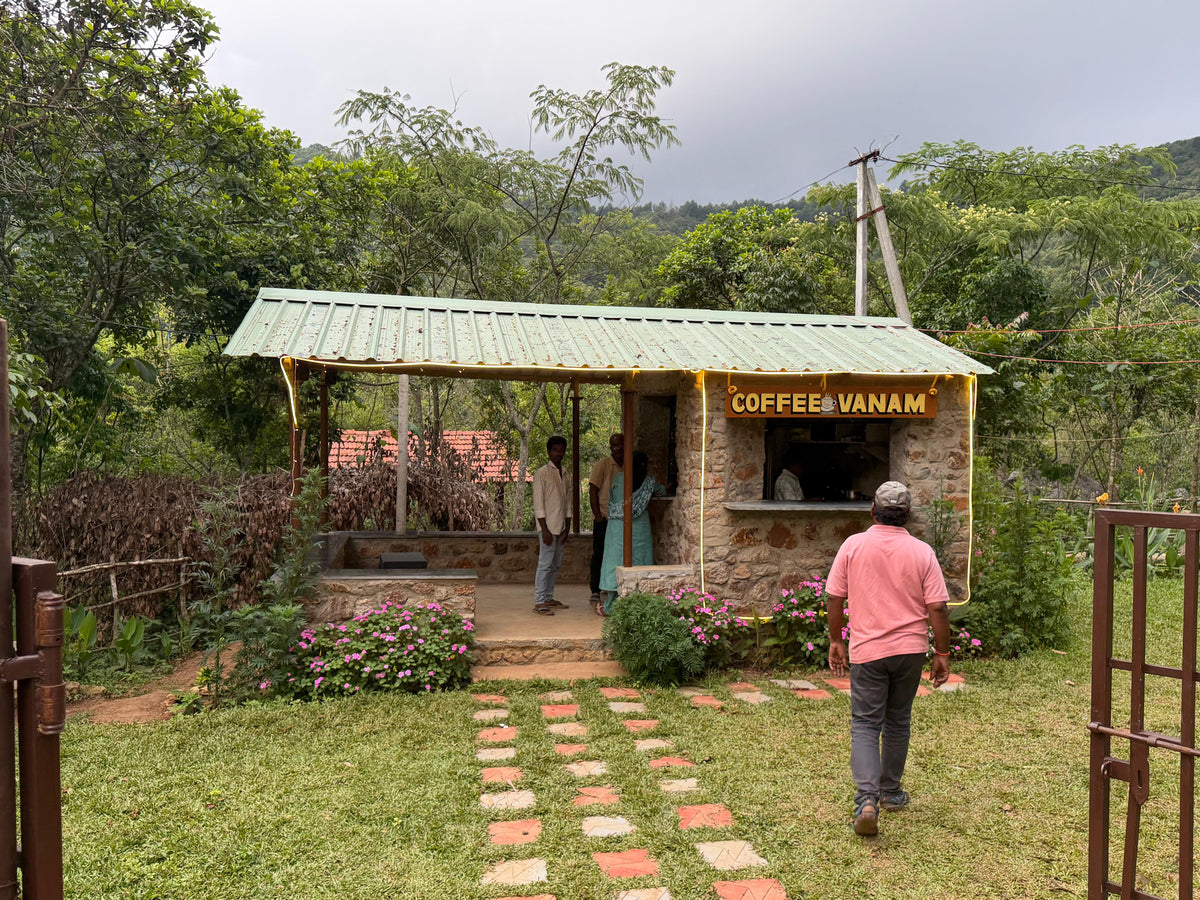
We Went Looking for Exceptional Coffee. We Found Something Bigger
True Arabica began with a simple curiosity: what makes a truly memorable cup of coffee?
The answer took us back to India.
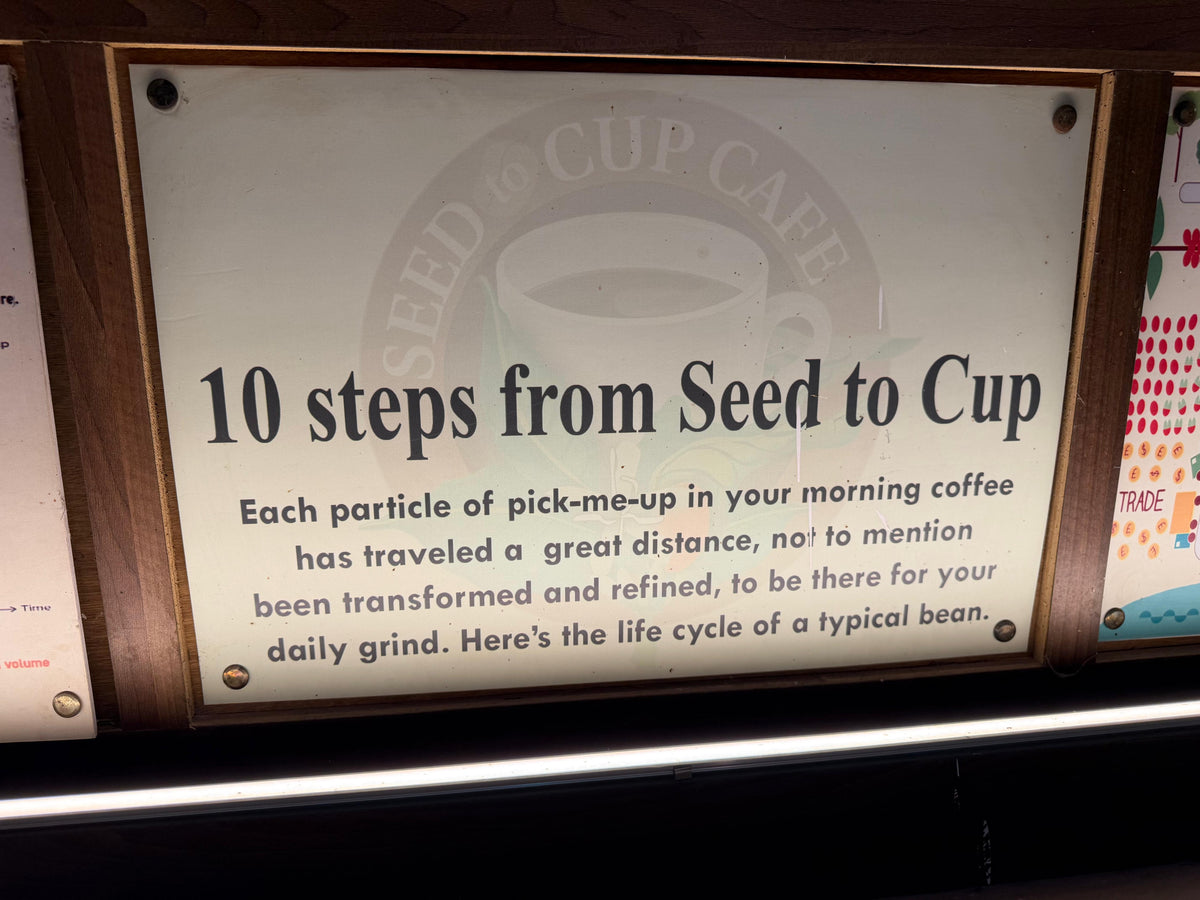
Rather than choosing beans simply from a catalogue, we wanted to understand coffee at its source — the landscape where it grows, the people who cultivate it and the journey each bean takes before reaching your cup.
So we travelled.
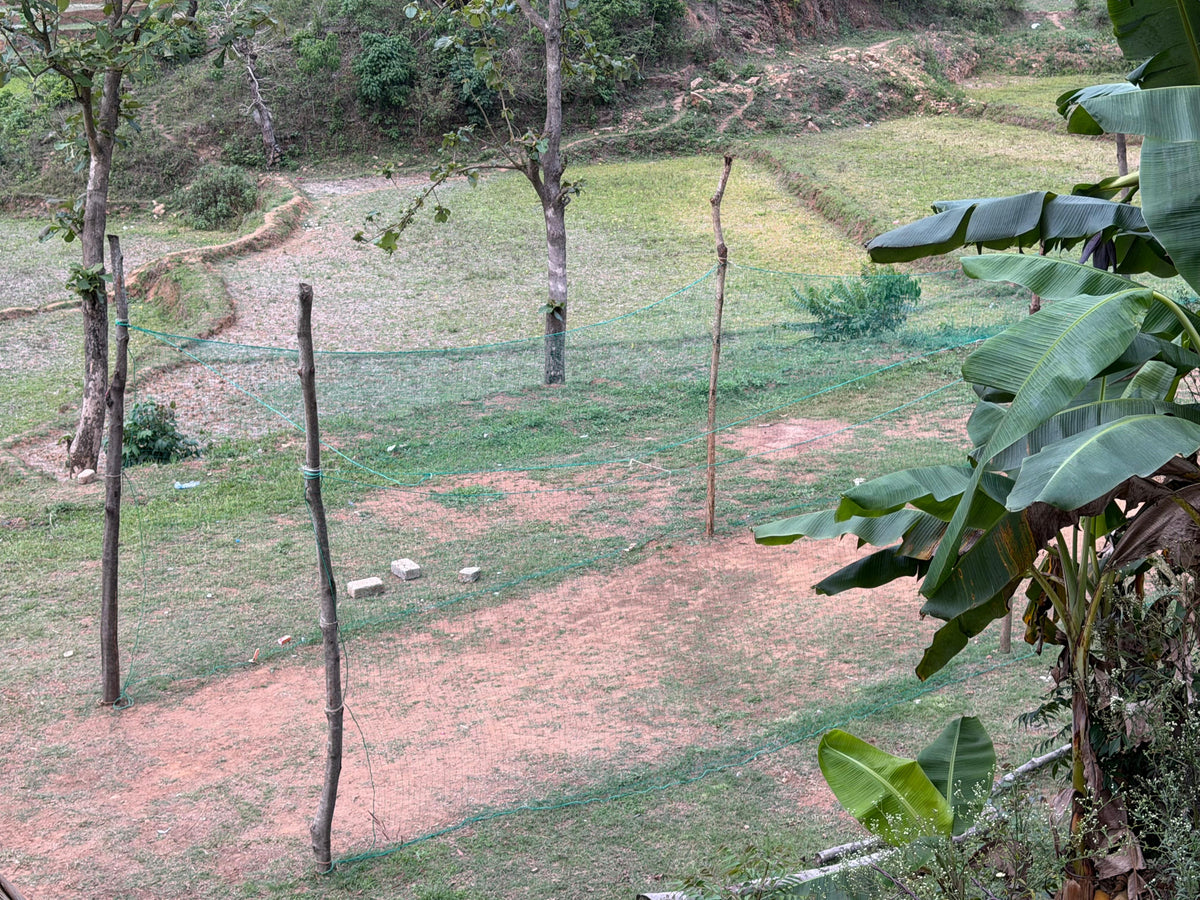
Discovering India's Coffee Lands
India's coffee story stretches across dramatically different landscapes.
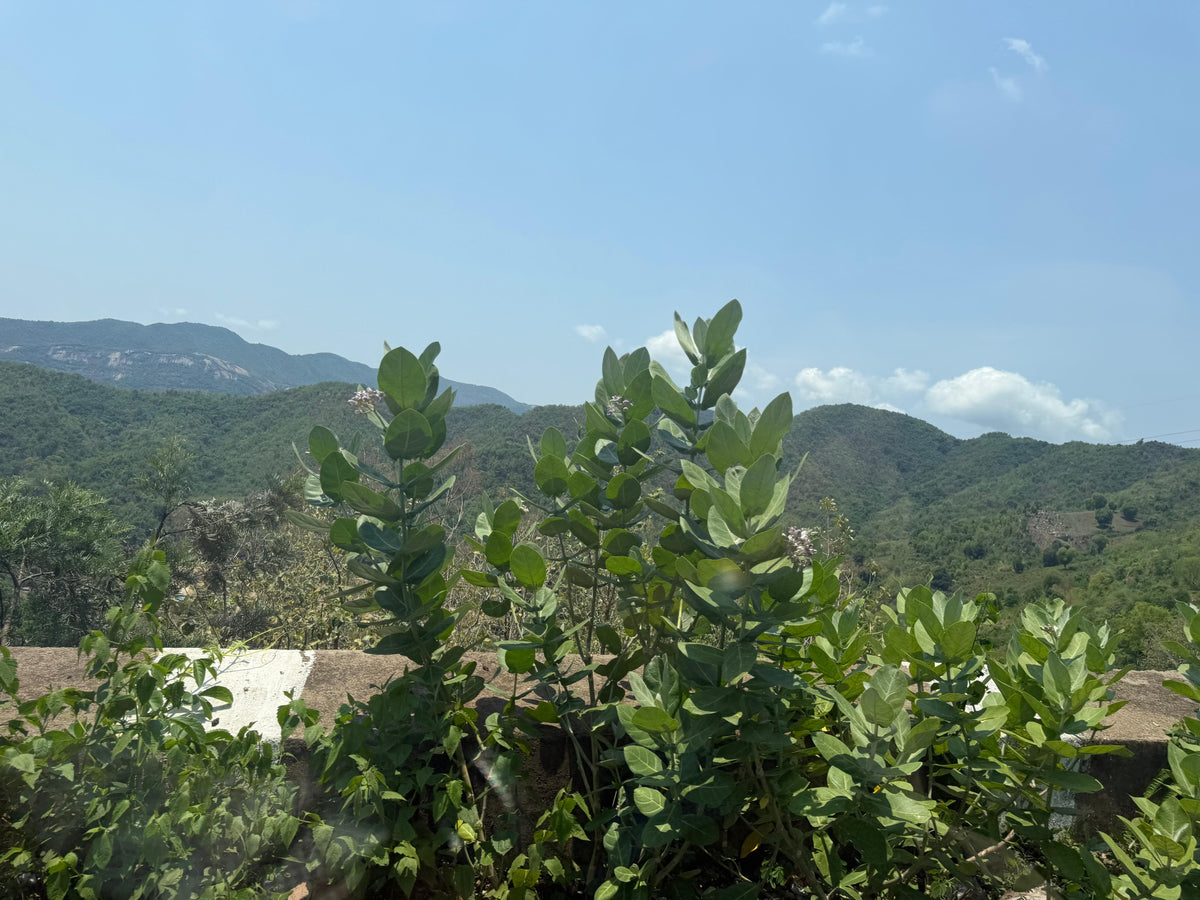
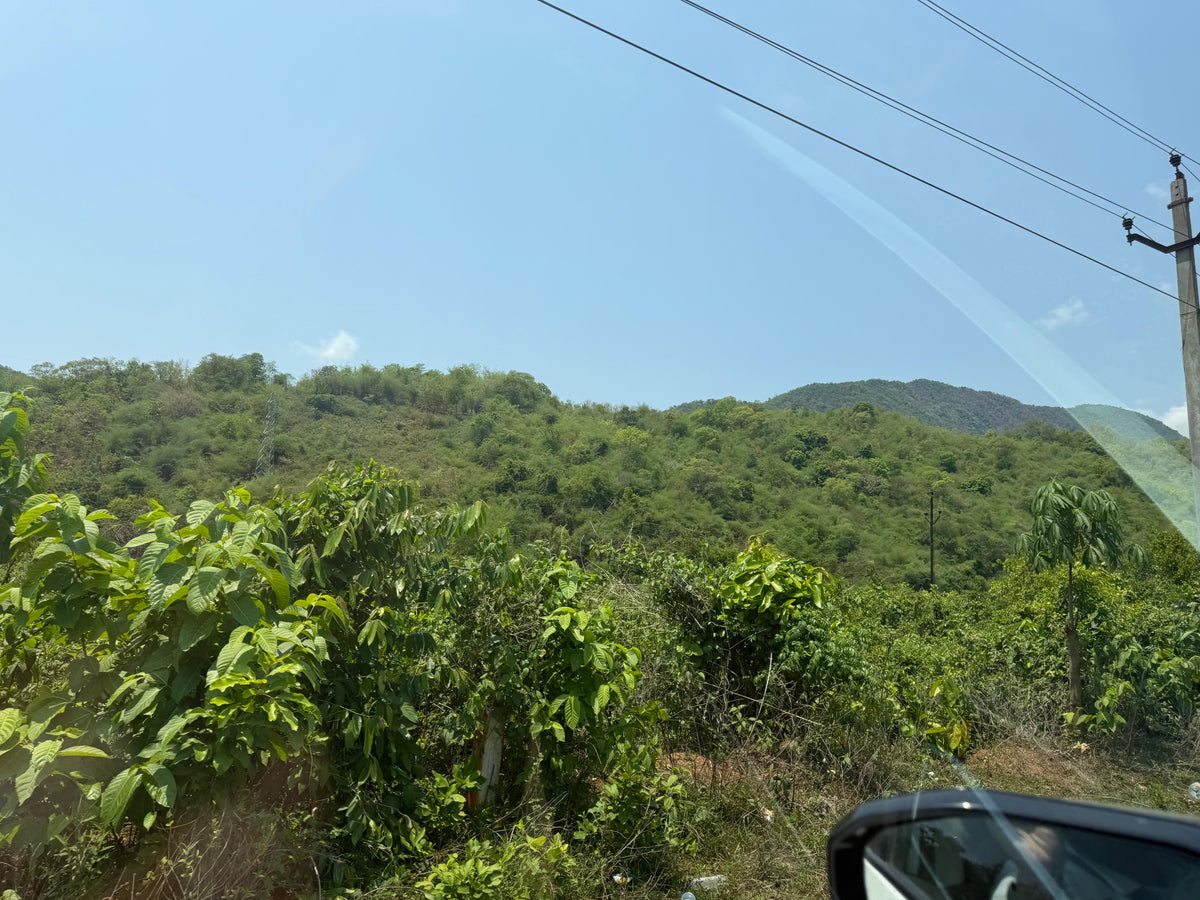
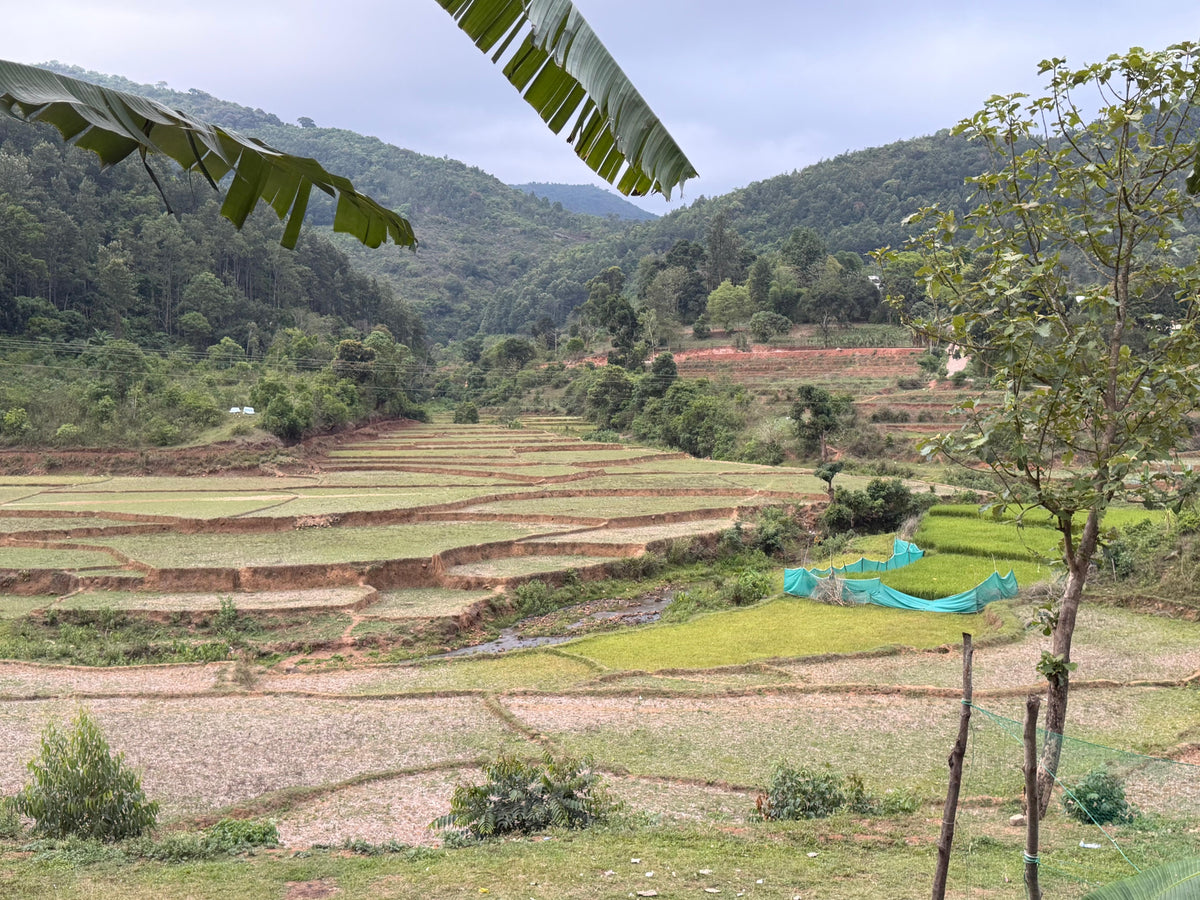
From the Eastern Ghats of Andhra Pradesh to the Western Ghats of Karnataka, Kerala and Tamil Nadu, coffee grows in hill country shaped by elevation, rainfall, forests and diverse ecosystems.
Much of India's coffee is traditionally shade-grown, surrounded by trees and often alongside other crops.
These aren't simply places where coffee is produced. They are what give the coffee its identity.


Early 1900s

Araku's Coffee Story Begins
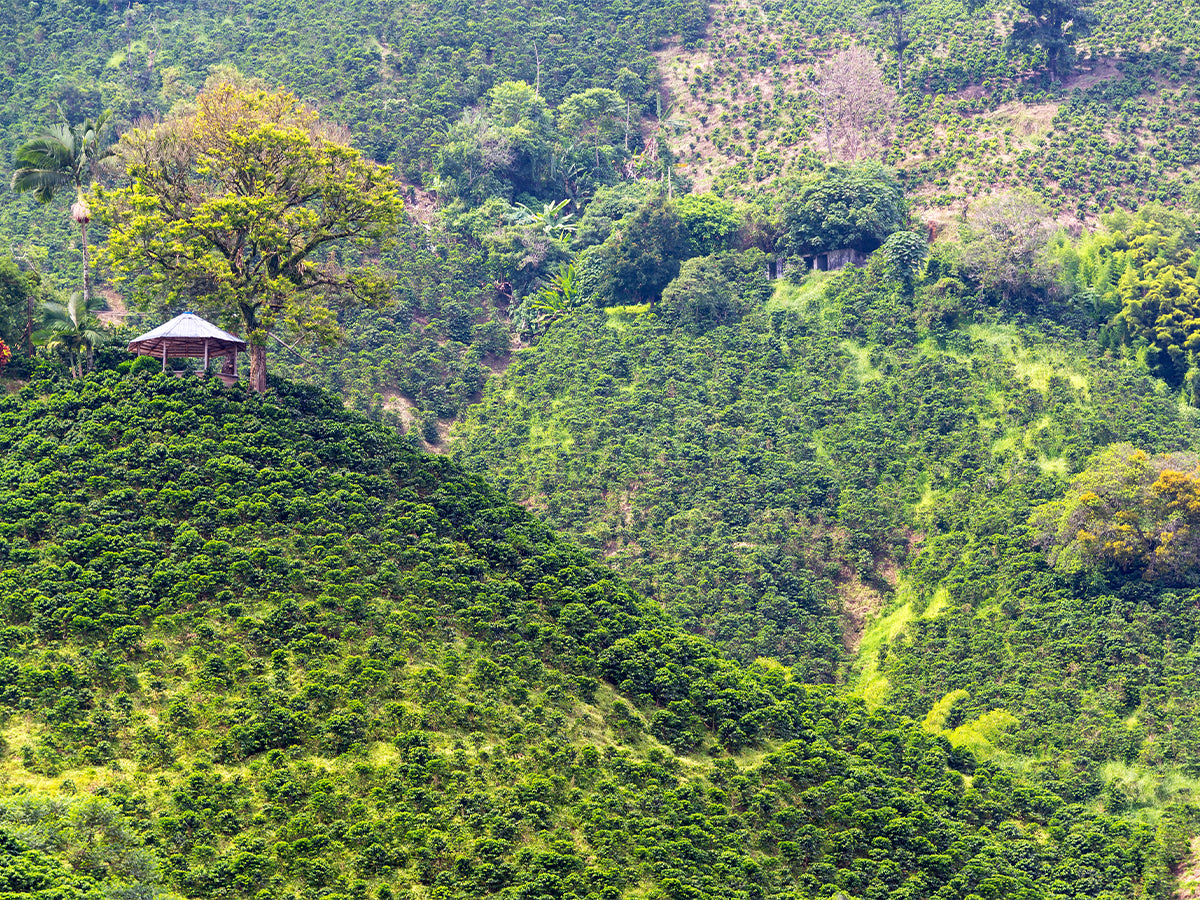
Arabica Spreads Across the Hills

A Crop Shaped by Its Landscape

One of India's Most Distinctive Arabica Regions
Why are we the best? Tap on each tab for details.
Knowing exactly where our coffee begins, and staying honest about it.
Respecting the work the land and the grower have already done before it reaches the roaster.
Grown within a living landscape, alongside pepper, mango and jackfruit, not instead of it.
Quality without unnecessary complication.
Respecting where we came from, without being trapped by it.

This Is Only the Beginning
Closing statement about the brand's ambition beyond one bag of coffee — I'll write the full paragraph when you're ready to fill this section in.
Frequently asked questions
You've Got Any Questions?
shade-grown, Araku Valley, Adivasi farmers, 900–1,500m
Delivery times vary based on your location, but we typically ship within24–48hours. You'll receive tracking information as soon as your order is dispatched.
We offer a hassle-free return policy. If you're not satisfied with your purchase, you can return it within 6 days for an exchange or refund.
Monthly / Every 2 Months, reuse what we drafted earlier

Still Have Questions?